
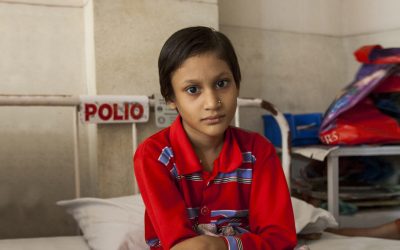
Microsoft founder, Bill Gates, used this year’s BBC Richard Dimbleby Lecture to talk about the global effort to eradicate polio worldwide. The lecture was an excellent portrayal of the global polio eradication initiative and the exceptional progress made in 2012 in reducing the number of cases worldwide to just over 200. There was also a strong emphasis on the critical necessity for a continuous vaccination plan going forward to ensure that certified eradication is achieved by 2018.
The lecture was a timely reminder that polio still exists. The last case of domestically acquired polio in Britain was in 1982, so people tend to assume that it won’t come back. The fact is that we need to continue vaccination programmes, otherwise polio outbreaks could return to many countries including Europe.
Judith Diment, Rotary International UK National Advocacy Adviser for Polio, said: “Another important issue is that we have a major shortfall in funding globally, so it is essential that we all work together to get support from businesses and the general public in order to raise the funds to finish the job.”
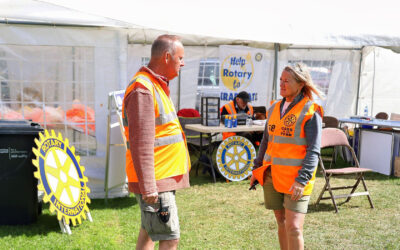
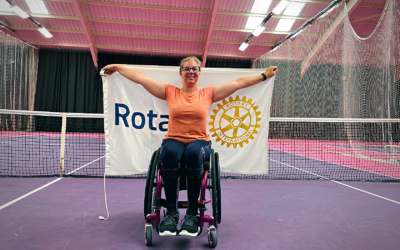
Rotary began polio vaccination programmes in 1979 in the Philippines and has put enormous time, energy and funds into eradicating polio since. Judith says: “We are now very close to eradicating polio with only three countries left in the world where it has not been eradicated. Rotary will now continue its efforts by fundraising and administering vaccines in affected countries until the job is completed.”
Recognising Rotary’s efforts in polio eradication, Bill Gates said: “Rotary is a service organisation with 1.2 million members in almost every country in the world, including more than 50,000 in Great Britain and Ireland. Rotarians pledge to put service above self, yet they have no specific global health mandate. They are not polio experts. They are regular people who go to work and spend time with their families.
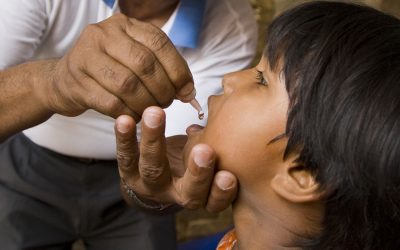
For three decades, they have also spent time advocating for polio eradication, raising money to support vaccination and giving kids polio drops all over the world. Other partners include the Centers for Disease Control, UNICEF, and the World Health Organisation. We rely on them to excel at their jobs. But that is not enough. We also need people whose jobs have nothing to do with the health of poor people to act. That is public will.”
To read the full transcript of the lecture, please click here.