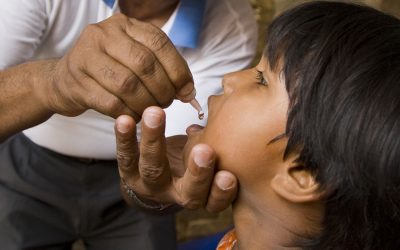
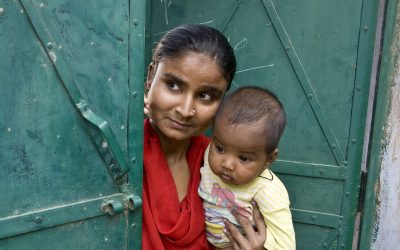

Photograph: Konnie Huq delivers the polio vaccine in Lucknow. Photographer: Jean-Marc Giboux
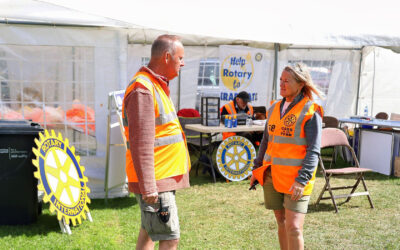
Dedicated Rotary club members from across Great Britain and Ireland are calling on the public to take part in a major co-ordinated RIBI campaign on 23rd February which is Rotary Day, the organisation’s birthday, in an effort to raise £1 million for polio eradication.
Clubs are carrying out a range of initiatives, including:
• Organising a polio eradication fundraising event in their local community
• Linking with schools for fundraising projects
• Dressing empty shop windows to publicise the campaign
25 years ago, Rotary made the pledge to eradicate polio worldwide. Since then, millions of children have been saved, thanks to the determination and devotion of Rotarians across the globe. Whether it is fundraising or delivering the vaccine in developing countries, every member of Rotary is part of the final push to wipe out this crippling and sometimes fatal virus.
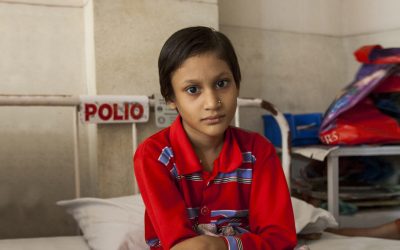
President of Rotary in Great Britain and Ireland, David Fowler, said: “To see tiny children struggling to stand or even breathe just breaks your heart. It’s frustrating too, knowing it could have been avoided. These youngsters should be running and playing but instead they are in pain and face a lifetime of hardship unless they are among the lucky few who can get hospital treatment.
“Polio is a crippling, and sometimes fatal, disease. We take for granted back home that polio is gone for good but it is still a harrowing reality for children in parts of Africa, Asia and India. Rotary clubs work tirelessly throughout the year, raising funds to pay for the Rotary End Polio Now initiative. Since Rotary got involved with the eradication work in 1985, new cases have fallen from 1,000 a day to around 1,500 a year – saving over 5,000,000 children from being infected over this period. That’s an incredible achievement and really shows Rotary to its full strength.”
At least twice a year, Rotary members from Great Britain and Ireland fly out to India to help with National Immunisation Days. Thousands of vaccination stations are set up in cities across the country, ready to welcome families and their children. Once immunised, the children’s little fingers are dyed purple to keep track of who has already been given the protective medication, now known as the Purple Pinkie.
Some families find it difficult to travel to the vaccination stations, so Rotary volunteers go on the road to remote villages. These journeys take the volunteers to the slums where families live in appalling conditions. Dirty water runs through the makeshift streets in open drains where children play and people live in piles of rubbish, increasing the risk of contracting polio.
The campaign to fight polio is supported by the Bill & Melinda Gates Foundation which has donated $355m in challenge grants. Rotary will match their generous donations by raising $200m by June 2012. The generosity of Bill and Melinda Gates is very much appreciated.
Find out more about the Rotary Thanks for Life campaign here.