
Rotarians from across the UK have returned after a successful trip to support the polio eradication effort in India.
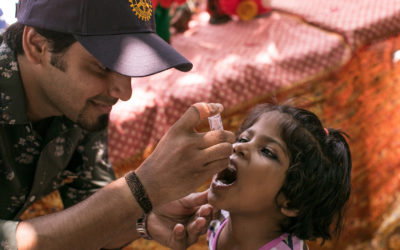
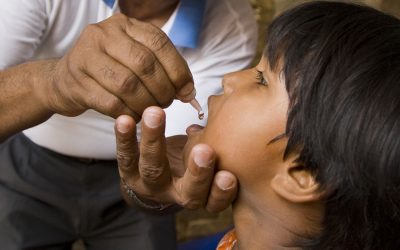
Around 14 volunteers flew to Delhi to help in the most high-risk areas by administering the vaccine alongside local Rotary clubs.
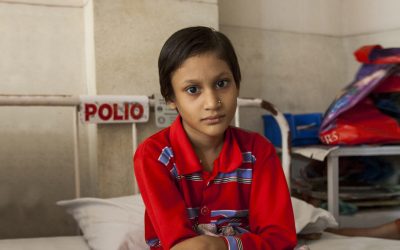
National Immunisation Days (NIDs) take place every few weeks to ensure every child is protected against this crippling and sometimes fatal disease.These are run by Rotary clubs and health organisations who will then go on the road and reach out to remote communities and slums.
The support of UK Rotary volunteers not only helps to vaccinate more children, their presence is a major morale booster for clubs who are constantly in the front-line of the battle to defeat the virus. Susan Bird, Rotary Club of Loughborough Beacon is one of the volunteers:
"I met the team in Delhi and we travelled to Bareilly, a regional city South-East of Delhi. Seven hours of bumpy road, which gave us plenty of time to see the crowded and colourful roadside scenes, where people were constantly industrious and inventive about scraping a living.
"In Bareilly, we visited various Rotary projects including a travelling dentist’s surgery, an engineering college and a school for those who are mentally disabled. We also visited a prosthetic limb clinic and an eye clinic.
"The local Rotarians do an astonishing amount of important charity work and deserve our support. They really appreciated our visit because it drew so much interest from the Indian press. We were constantly photographed for the newspapers and even appeared on TV interviews. The other major effect of our visit was to draw more people to the booths to have their children immunised.
"At last the immunisation day arrived. We faced another hour and a half drive to reach the remote village of Pusgawan, situated on the vast floodplains of the Ganges. This is a high risk area for polio, as the land floods in the rainy season. The village has new wells and pumps and we were pleased to see the villagers looked healthy and well fed. We noticed a few mobile phones too!
"There was less plastic rubbish than we had seen in other areas, and the villagers were very industrious on their farm land, growing sugar cane, rice, potatoes and onions. They were keen to show us their peppermint oil press, although on the whole their farming techniques looked mediaeval. They dry their animal dung in flat cakes to make fuel for cooking, and store it in neat mounds, which they also use to grow pumpkins.
"We did not have an English speaker with our group of four Rotarians, but this was no hindrance, as our delighted hosts were keen to show us around their village. One schoolboy could speak some English and was proud to take us to his home and offer us food and drink, although his family were clearly very poor. This was a constant theme; we were given hot sweet tea and spicy cake in many homes, and greeted with pleasure everywhere. We were followed everywhere by troops of children and stray dogs, while old people stared curiously from their doorsteps.
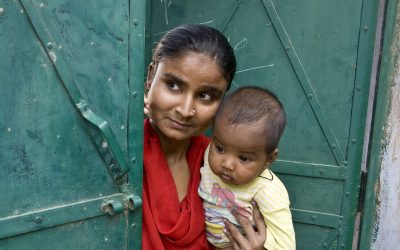
"Our visit was treated as a great honour, and clearly increased the number of children who were brought to the booth for immunisation. It is not customary for newborn babies to leave the home, but a number of babies under three weeks old were brought to us, including a one day old child.
"Most of the babies were brought by older brothers and sisters, attracted by the small gifts we gave away, toothbrushes, pens, balloons etc. The records showed only 37 children when we arrived, but by the time we left, they had recorded about 400. It was a chaotic scrum of tiny mouths, faces, arms and purple fingers and we were surrounded by curious, staring villagers. The village elders and holy men kept a wary eye on us.
"We visited three villages that day, and a further village the following day where we went from house to house mopping up the youngest children who had not been brought to the booths.
"I had an amazing trip and have returned with many wonderful memories of my visit to a vibrant and colourful country. The people may be poor, but they exude such hope and energy, and they are prepared to work so hard to earn a better living. They were poor, but not despairing. The new India is definitely on the move."
You can help Rotary’s initiative, End Polio Now, by contacting your local Rotary club and join in the many great activities underway or you can donate here.